
The 3 superpowers auditors and consultants need
The role of auditors and consultants has changed radically. Once seen as technical experts focused on compliance, analysis and timely recommendations, they are now seen as strategic partners to management.
In a volatile economy where uncertainty is the rule, not the exception, their value no longer lies solely in methodological rigor, but in the ability to navigate complexity, anticipate risks and influence critical decisions.
This shift puts three essential skills at the forefront: assertive communication, critical thinking and problem solving. These are no longer “nice to haves”, but are becoming the foundation of professional performance.
Thus, understanding and cultivating these skills in audit and consulting teams represents a direct competitive advantage.
Why are these skills becoming decisive now?
a. The complexity of the business environment is growing exponentially
Companies operate in an ecosystem where:
- technology is changing business models at an accelerated pace,
- regulations are becoming stricter and more dynamic,
- reputational risks are increasing,
- stakeholders are more vocal and demanding.
In this context, auditors and consultants can no longer be just executors of standard procedures. They must be able to interpret ambiguity, connect disparate information and formulate clear, well-argued conclusions.
b. Automation takes over technical tasks
Advanced analytics tools, AI and process automation significantly reduce the time required for repetitive activities. What remains and becomes truly valuable is the human ability to ask the right questions, assess the implications, make decisions in unprecedented situations and influence stakeholders. In other words, technology frees up space for deeply human skills.
c. Companies are in dire need of consultants
During times of pressure, the temptation to avoid difficult conversations is great. However, high-performing companies are those in which critical information flows quickly and transparently. This is where assertive communication from consultants comes in, requiring the ability to convey sensitive messages with clarity, respect, and courage. It’s time to take a look at the three superpowers auditors and consultants need today: assertive communication, critical thinking, and problem solving.
1. Assertive communication, the foundation of trust and influence
Assertive communication is the ability to express opinions, concerns, and recommendations in a structured, professional, and empathetic manner. For auditors and consultants, it becomes essential for three reasons:
a. Assertiveness speeds up decision-making
An auditor or consultant who communicates hesitantly, ambiguously, or overly technical creates confusion. In contrast, an assertive professional quickly summarizes the essentials, formulates clear recommendations, explains risks without dramatization, and offers realistic alternatives. For a client, this type of communication means time gained and better-founded decisions.
b. Assertiveness reduces resistance to change
Audit or consulting recommendations can cause discomfort. They may involve restructuring, investments, changes in processes or responsibilities. Assertive communication helps manage emotions, create a space for dialogue, maintain constructive relationships, and transform resistance into collaboration.
c. Assertiveness strengthens credibility
A professional who can say “no,” signal risks, or contradict a senior stakeholder in a respectful way becomes a trusted partner. In a world where conformity can be costly, assertiveness is a form of leadership.
2. Critical thinking, the antidote to information overload
In an environment where data is abundant but time is limited, critical thinking becomes the ability to separate the essential from the noise. For auditors and consultants, this means:
a. The ability to objectively evaluate information
Critical thinking involves: identifying implicit assumptions, evaluating sources, detecting inconsistencies, testing hypotheses. In auditing, this translates into more robust conclusions. In consulting, into better-founded recommendations.
b. Anticipating risks and consequences
A professional with critical thinking does not limit himself to analyzing the present. He explores scenarios, asks “what if…?”, assesses the long-term impact, and identifies emerging risks. For a CEO, this type of thinking is invaluable: it allows for proactive, not reactive, decisions.
c. Avoiding cognitive biases
Confirmation bias, anchoring bias, and group bias can affect the quality of conclusions. Critical thinking provides the tools to counteract them, by deliberately structuring the analysis, seeking out divergent opinions, and testing alternatives.
3. Problem solving, the skill that turns analysis into action
If critical thinking clarifies the problem, problem solving brings it to an end. It is the ability to transform insights into applicable solutions.
a. From diagnosis to implementation
Consultants cannot stop at simply identifying problems, no matter how well they formulate the diagnosis. They must develop real options, analyze the feasibility of each alternative, prioritize solutions based on impact and resources, and then guide implementation to measurable results. This end-to-end approach transforms an ordinary supplier into a strategic partner capable of generating sustainable change.
b. Problem solving is collaboration
The most robust solutions emerge from structured dialogue, not from working in isolation. Effective professionals create spaces for discussion, facilitate difficult conversations, integrate diverse perspectives, and help teams reach a workable consensus. This active collaboration not only improves the quality of solutions, but also accelerates their implementation because people feel involved, listened to, and accountable for the result.
c. Problem solving requires structured creativity
The creativity required in problem solving is not free or abstract, but disciplined creativity, anchored in data, constraints, and clear objectives. It combines analytical rigor with imagination and pragmatism, generating innovative yet applicable solutions. This synthesis allows professionals to overcome obvious limitations and propose new, relevant, and achievable directions.
In conclusion
In a world where technology can replicate many of the technical tasks of auditors and consultants, what remains truly valuable is their ability to think, communicate, and solve problems in a mature, responsible, and strategic manner.
Investing in these skills is not a cost, but a form of protection and acceleration for the organization. Teams that can communicate assertively, think critically, and solve complex problems become a shield against risk and an engine of transformation.
Ultimately, it is not technology, but the people who know how to use it intelligently that will differentiate organizations that adapt from those that lead change.
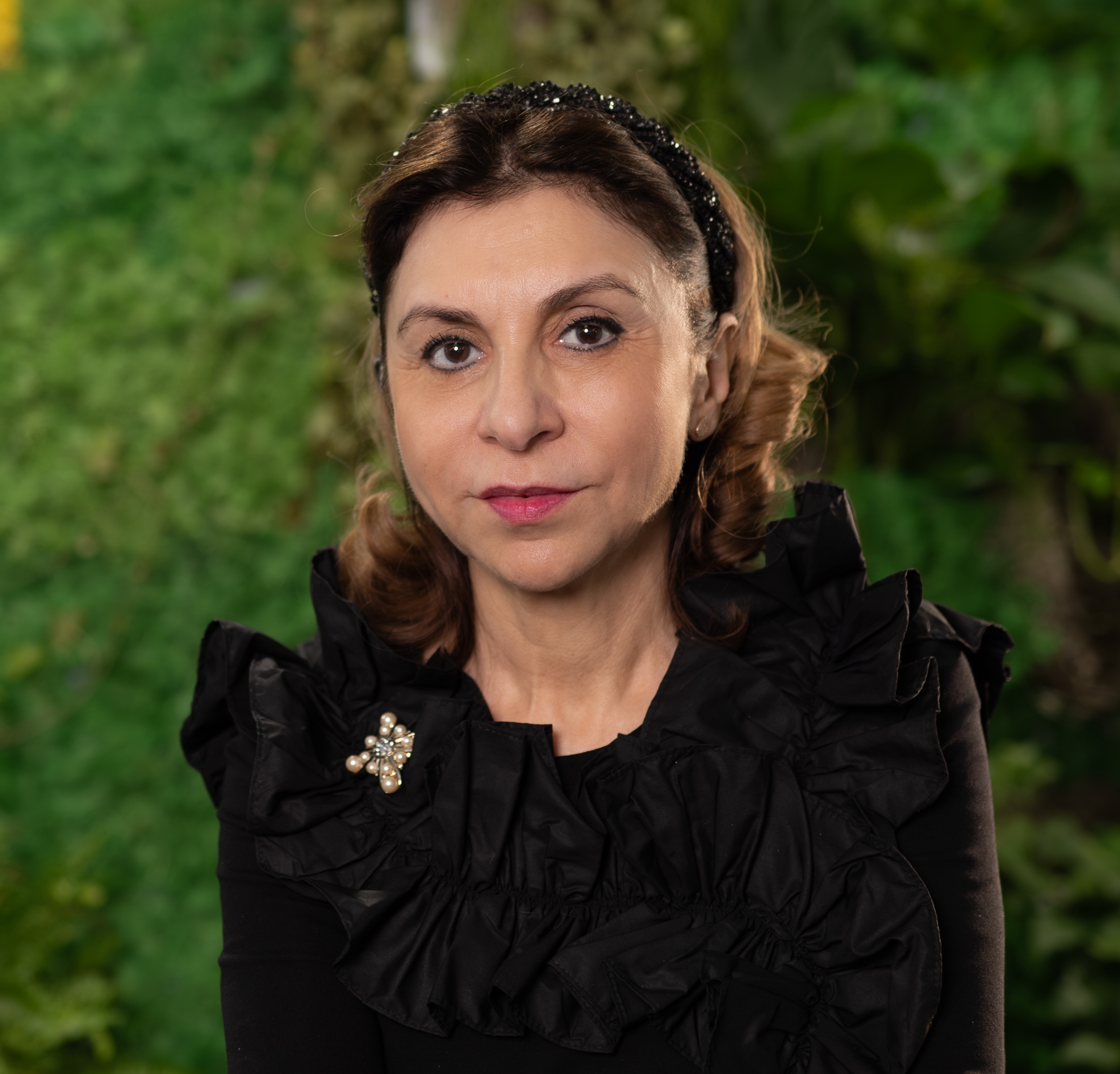
Florentina Șușnea este Managing Partner în cadrul companiei PKF Finconta. Experiența ei profesională de peste 35 de ani cuprinde domeniile de audit statutar și IFRS, consultanță fiscală, probleme de rezidență fiscală, restructurare financiară și fiscală, documentație și politici de Transfer Pricing, fuziuni și divizări, M&A, expertize judiciare, contabile și fiscale, due diligence de achiziții. Florentina este membru acreditat al următoarelor organizații profesionale: Camera Consultantilor Fiscali, Camera Auditorilor Financiari din România, Camera Expertilor și Contabililor Autorizați din România si Association of Certified Anti-Money Laundering Specialists. A absolvit Facultatea Finanțe-Contabilitate din cadrul Academiei de Studii Economice, București, Facultatea de Drept din cadrul Universității ”Titu Maiorescu”, programul MBA de la Tiffin University din SUA, este doctor în economie și a urmat numeroase cursuri naționale și internaționale în domeniul fiscal. florentina.susnea@pkffinconta.ro