
How to avoid the pitfalls of the CEO role
When you take on the role of CEO, you have immense responsibilities. Your role requires strategic clarity, organizational alignment, team mobilization, and a solid relationship with the board and stakeholders.
In reality, however, top leaders face “blind spots,” that is, aspects that they are not aware of, but that can affect their performance and perception.
Organizational psychology research shows that these leaders tend to self-evaluate more optimistically, which creates differences between how they see themselves and how others see them.
If you also run a company, it is useful to find out what are the most common areas of over-evaluation of CEOs, to understand how these evolve throughout the activity of a top manager and to reflect on ways to counteract them.
Stages of a CEO’s career and related challenges
A CEO’s career can be structured into four stages: preparing for the role, debuting in the position, maintaining performance, and passing the baton. In the preparation phase, you are in the period before the board selects the CEO. This is where you need to develop skills, show potential for growth as a leader, and demonstrate commitment.
After you actually take over the role in the first two years, you are focused on setting the direction, giving momentum to the organization, and creating impact quickly.
Then, in the maintenance phase, you need to avoid complacency, devise plans that generate intensive long-term growth, and maintain strategic clarity and innovation.
In the final stage of the mandate, the challenge of succession arises: when do you leave, how do you pass the baton, what legacy do you leave? At each of these stages, there are areas where leaders are more likely to be blind to problems.
Understanding this time frame helps you be more proactive, anticipating what might happen to you before it becomes a surprise.
The most common blind spots in each phase
In the first phase, leaders often feel in control and prepared, which can lead them to underestimate the difficulty of changing the organization’s culture and the complexity of mobilizing the team.
They overestimate their own impact on employee behavior and often fragment their time into a multitude of activities that distract from what only they can do. In the intermediate phase, the major blind spot occurs when clarity of vision is lost.
What is the new direction after the initial impulse? How do you become adaptable when change is more subtle? Leaders can come to believe they have the answer to everything, ignore new insights, and become too focused on what they have done so far. In the final stage, predispositions change.
Strategically, there is the risk of becoming too conservative to protect the legacy or making risky moves to avoid capping growth.
Leadership equipment can wear out: executive teams become less agile, communication with the board erodes, and succession, which requires planning and time, can be neglected.
Why it’s essential to manage these blind spots
Ignoring these aspects leads to decisions driven by fickle ambition, lack of reflection, and disconnection from reality. For example, leaders who believe they can quickly change the culture without gaining the support of the team encounter resistance and weakness in execution.
That gap between how the CEO sees himself and how his colleagues or the board see him creates internal misalignments. Other times, the strategy remains undefined and the team becomes reactive, not proactive.
In addition, when you end your term without an organized handover, the company can lose continuity and essential values transmitted.
When leading an organization, it is crucial to be aware of your own limitations. You can ask for external feedback, measure the differences in perception between yourself and those around you, create space for introspection.
It is better to use data, honest conversations, and a culture of “mirrors” than to rely solely on your own feelings.
What you can do to reduce the impact of blind spots
The first action is to seek honest and regular feedback from your colleagues, the board, and other stakeholders. Continue by comparing your perception with theirs. If you notice major differences, those indicate blind spots.
Then, define an action plan: what competencies you and the organization need to develop, which teams need to grow, what you need to change.
In parallel, at each stage of your mandate, determine what challenges arise in that phase and what blind spots typically appear. For example, if you are in the debut phase of the position, check your organization’s mobilization.
If you are in the maintenance phase, ask yourself how much strategic clarity you still have after the first wave of change. If you are approaching the handover phase, plan for succession and long-term impact. Create indicators and involve your team in this process.
Every leader has their limits. The difference is made by awareness and the ability to adapt. For your organization, transparency and continuous learning become competitive advantages. And for you, the ability to see what you don’t already see can turn a good term into an exceptional one.
In conclusion
Every business leader will go through the stages of preparation, beginning, maturity and transition. At each step, blind spots appear, those areas where you see what you think, not necessarily what is in reality.
If you don’t recognize them, the risk is that you will confuse yourself with the organization, have misaligned teams, weak strategies and an end of term that does not reflect your potential.
In contrast, if you give and receive constant feedback, have moments of personal reflexivity, make internal alignment and careful planning, you will increase the chances of being in charge not for a “term”, but for an entire period of transformation. You can consciously build your competitive advantage.
The question is: what will you do today to see what you have not seen before?
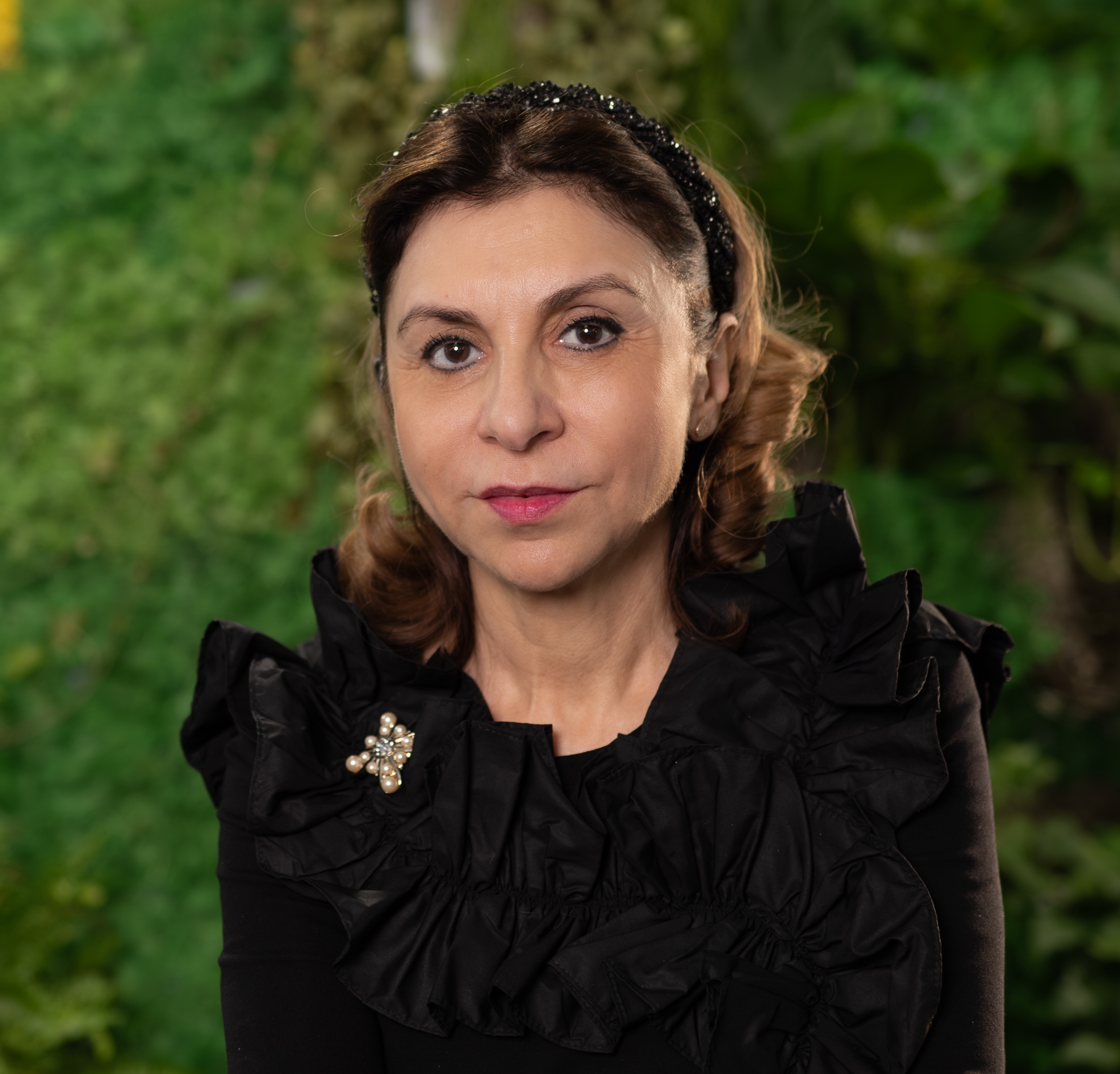
Florentina Șușnea este Managing Partner în cadrul companiei PKF Finconta. Experiența ei profesională de peste 35 de ani cuprinde domeniile de audit statutar și IFRS, consultanță fiscală, probleme de rezidență fiscală, restructurare financiară și fiscală, documentație și politici de Transfer Pricing, fuziuni și divizări, M&A, expertize judiciare, contabile și fiscale, due diligence de achiziții. Florentina este membru acreditat al următoarelor organizații profesionale: Camera Consultantilor Fiscali, Camera Auditorilor Financiari din România, Camera Expertilor și Contabililor Autorizați din România si Association of Certified Anti-Money Laundering Specialists. A absolvit Facultatea Finanțe-Contabilitate din cadrul Academiei de Studii Economice, București, Facultatea de Drept din cadrul Universității ”Titu Maiorescu”, programul MBA de la Tiffin University din SUA, este doctor în economie și a urmat numeroase cursuri naționale și internaționale în domeniul fiscal. florentina.susnea@pkffinconta.ro