The 5 success factors in female leadership
Female leadership is not built solely on results, but on a steady inner discipline. Beyond the visible achievements of women leading major companies lies a clear set of factors that underpin their success.
It is not about following a single model, but about combining personal direction, strategic courage, and consistency in decision-making.
Based on a two-year in-depth analysis by McKinsey, involving dozens of women CEOs from large and complex organizations, five key factors emerge that contribute to their success at the highest levels.
These factors offer valuable lessons for anyone who wants to better understand what makes the difference in today’s female leadership.
1. Inner direction matters more than career trajectory
Women who lead large companies did not focus solely on career progression. They acted from a clear sense of inner direction. They knew why they were doing what they were doing.
This clarity allowed them to make better choices, say no to what didn’t fit, and maintain balance in the face of external pressure.
This direction was not always a long-term plan, but rather a compass for daily decisions. Many accepted roles because they felt they could make a real contribution, not because the step looked logical on paper.
This orientation toward meaning, rather than titles, supported both their performance and their authenticity. Instead of following a prescribed path, they built their own, anchored in clear values.
2. Ambition is not a taboo, but a conscious choice
A defining factor is the way women in top management teams relate to ambition. They did not deny it, nor did they avoid it: they integrated it. Their ambition was not about image, but about impact.
They treated ambition as a responsibility: to use their potential, to open new paths, and to build sustainable organizations. At the same time, they felt no need to prove themselves to others.
The many bold decisions in their careers such as accepting tough roles, leading through crises, initiating major transformations, were not driven by a desire for validation, but by the conviction that they could create value.
They learned not to wait until they were “fully ready” for the next step. Instead, they acted with confidence in their own capacity to learn and adapt.
3. Support matters, but it must be built strategically
Their success was never a solo journey. Each of them had a support network—consciously built. They identified people who believed in them, challenged them to grow, and supported them at key moments.
This support did not appear by chance. They cultivated it. They asked for it. They offered it to others as well. Their networks included mentors, sponsors, organizational allies, and informal communities.
The role of other women leaders was crucial, not only as role models, but as mirrors that validated their journeys, normalized challenges, and inspired continuity.
Access to the right support accelerated their growth. They did not wait “to be noticed,” but actively sought out meaningful relationships and useful conversations to advance their careers.
4. Their leadership is authentic, empathetic, and people-centered
A distinctive element lies in how these women lead. Their style was not an imitation of traditional models, but an authentic form of leadership. They did not try to appear as someone else.
They chose to lead through empathy, listening, and consistency between words and actions. Their style was not soft, but clear, steady, and focused on sustainable performance.
They did not shy away from tough decisions, but they knew how to communicate them with humanity.
They did not impose control, but built trust. They did not hide mistakes, but acknowledged them and embraced learning.
Their leadership did not rely on charisma or formal authority, but on authenticity, quality relationships, and trust earned over time.
5. Emotional balance is a continuous practice, not a given
An often-overlooked aspect of leadership is the inner game. The women CEOs interviewed practice constant management of their own emotions and thoughts.
Their success does not come from an emotional armor, but from the ability to re-center themselves. To observe pressure without being overwhelmed. To remain steady in crisis.
They have learned to take strategic pauses. To protect time for reflection. To make decisions from a place of calm, not haste. Some use coaching, others personal practices. All invest in mental clarity.
This inner discipline allows them to lead with greater consistency, avoid impulsive reactions, and sustain high-paced demands without burnout.
In conclusion
Female leadership is not an exception, but an expression of a leadership style adapted to today’s realities.
The five factors identified, namely: personal direction, conscious ambition, strategic support networks, authentic leadership, and inner balance, are not relevant only for women CEOs.
They can serve as reflection points and action steps for any leader who aspires to guide their team and career with meaning, courage, and clarity.
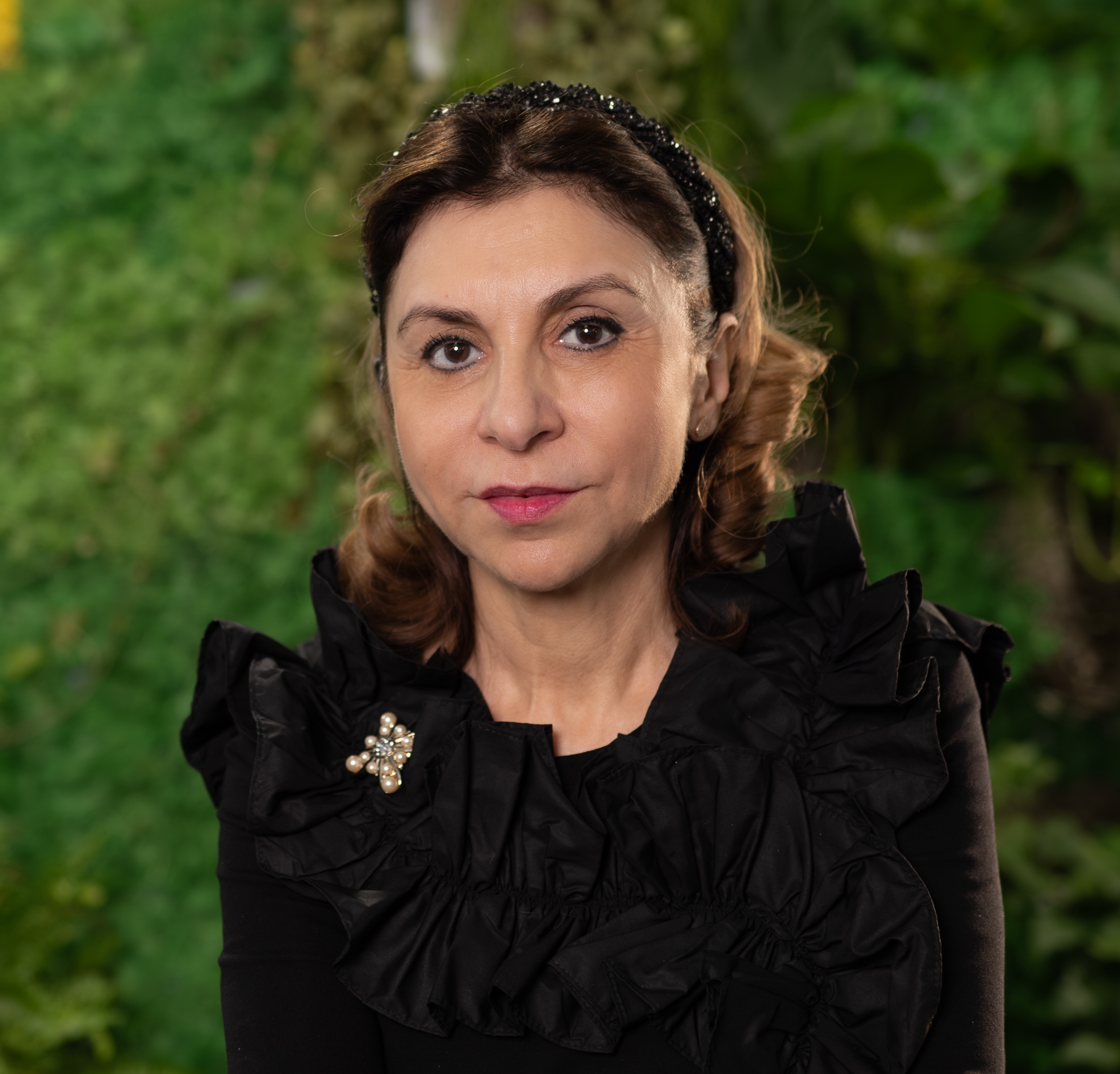
Florentina Șușnea este Managing Partner în cadrul companiei PKF Finconta. Experiența ei profesională de peste 35 de ani cuprinde domeniile de audit statutar și IFRS, consultanță fiscală, probleme de rezidență fiscală, restructurare financiară și fiscală, documentație și politici de Transfer Pricing, fuziuni și divizări, M&A, expertize judiciare, contabile și fiscale, due diligence de achiziții. Florentina este membru acreditat al următoarelor organizații profesionale: Camera Consultantilor Fiscali, Camera Auditorilor Financiari din România, Camera Expertilor și Contabililor Autorizați din România si Association of Certified Anti-Money Laundering Specialists. A absolvit Facultatea Finanțe-Contabilitate din cadrul Academiei de Studii Economice, București, Facultatea de Drept din cadrul Universității ”Titu Maiorescu”, programul MBA de la Tiffin University din SUA, este doctor în economie și a urmat numeroase cursuri naționale și internaționale în domeniul fiscal. florentina.susnea@pkffinconta.ro