The role of the CFO when transformation is always on the agenda
If in the past companies approached transformation as a project with a beginning and an end, today change has become a permanent reality.
Digitalization, new technologies, legislative changes, economic pressures, changes in customer behavior and the emergence of innovative business models force organizations to continuously adapt.
In this context, transformation is no longer an initiative separate from current activity, but the framework in which all-important decisions are made.
This new reality also redefines the role of the CFO. The finance function can no longer be limited to reporting, control and budget management.
Companies need leaders capable of combining financial discipline with strategic vision and transforming data into decisions that support long-term development.
Thus, the CFO becomes one of the most important actors of continuous transformation, a leader who actively contributes to shaping the company’s future and building resilience in an environment characterized by volatility and uncertainty.
The CFO, the pivot of continuous transformation
In modern organizations, the financial director occupies a privileged position. Few leaders have access to such a broad perspective on the company.
The CFO simultaneously sees costs, investments, cash flows, risks, operational performance and the impact of strategic decisions.
This visibility allows him to understand better than anyone the relationship between the organization’s ambitions and the resources needed to turn them into reality.
When transformation becomes a constant, the company needs a leader who can ensure the balance between development and sustainability.
The financial director fulfills this role through his ability to assess the consequences of decisions and create the financial framework that allows for change.
He protects financial discipline without blocking innovation and supports strategic initiatives without compromising the stability of the company.
This combination of responsibilities turns the CFO into a true pivot of transformation. He connects strategy with execution and helps make decisions that allow the company to evolve in a controlled and sustainable way.
The financial resource architect
Any transformation requires resources. Whether it is digitalization, expanding into new markets, developing new products or restructuring operations, all of these initiatives require financing and careful capital management.
The role of the CFO is to decide how resources are allocated so that the organization achieves the greatest possible impact.
This responsibility goes far beyond the traditional activity of preparing budgets. The CFO must set priorities, compare opportunities and determine which investments truly contribute to strategic objectives.
In many situations, the success of the transformation depends on the company’s ability to abandon projects that no longer generate value. The CFO plays a critical role in these decisions.
He analyzes the performance of investments, identifies areas that consume resources without significant results and creates financial space for new initiatives.
In this sense, the CFO is not only the manager of the organization’s capital. He becomes the architect of the investment portfolio and one of the main factors influencing the direction of the company’s development.
The financial risk manager and not only
Continuous transformation requires taking risks. No company can innovate without accepting a certain degree of uncertainty. At the same time, the lack of a rigorous assessment can lead to costly decisions.
The CFO has the responsibility to maintain the balance between courage and prudence. He must identify vulnerabilities before they affect the company’s performance and build mechanisms that increase organizational resilience.
Risk management has evolved significantly in recent years. Monitoring traditional financial indicators is no longer enough.
Today, the CFO must also track operational, technological, reputational and compliance risks. In addition, he must understand how these risks interact and can amplify the impact of external events.
Scenario analysis is becoming an essential skill. The CFO must anticipate different developments in the economic environment and prepare the organization for each of them. This way, the company can react quickly and effectively when unexpected changes occur.
The sponsor of digital transformation
Digital transformation is one of the most important priorities for modern organizations. Although it is often perceived as a technology project, in reality it represents a profound change in the way the company operates and creates value.
The CFO plays a key role in this process. He is responsible not only for approving technology investments, but also for assessing the long-term benefits and integrating them into the organization’s strategy.
Digitalization is radically changing the finance function. Repetitive processes are automated, access to information becomes instantaneous, and data analysis is performed in real time. These changes allow the finance team to focus on high-value activities.
The modern CFO promotes the use of quality data, supports automation, and encourages the adoption of advanced analytical tools. In many organizations, digital transformation starts right in the finance department and later becomes a model for other functions.
Through this involvement, the CFO contributes to increasing efficiency, improving decision-making, and strengthening the company’s competitive advantage.
The CEO’s strategic partner
In a rapidly changing business environment, the CEO needs partners to help him turn his vision into concrete results. The CFO plays a central role in this relationship.
His participation in the strategy-making process is more important than ever. The CFO helps assess market opportunities, assess the financial impact of decisions, and prioritize investments.
In many situations, the CFO is the person who brings the realistic perspective needed to implement an ambitious strategy. He does not limit development, but identifies ways in which it can be supported in a financially secure manner.
The CFO also plays an important role in the relationship with investors, financial institutions, and board members. His ability to communicate the company’s performance and prospects helps build trust and support growth objectives.
The performance orchestrator
Continuous transformation requires constant monitoring. To understand whether changes are producing the desired results, organizations need relevant indicators and effective performance measurement mechanisms.
The CFO is the leader who builds this system. He defines indicators that reflect not only financial performance, but also the progress of the transformation.
Thus, the focus is extended to operational efficiency, the degree of adoption of digital technologies, customer satisfaction, sustainability and risk management.
By monitoring these indicators, the CFO creates a common language for the entire organization. Data becomes the basis for strategic dialogue and allows for informed decision-making.
In this role, the CFO acts as an orchestrator who connects all the functions of the company and ensures their alignment with strategic objectives.
The resilient change agent
Perhaps the most important role of the modern CFO is that of change agent. Transformation is not just about implementing new processes or adopting different technologies. It involves changing mindsets, behaviors, and the way the organization looks at the future.
The CFO has the credibility and influence to support this evolution. He asks difficult questions, challenges existing assumptions, and encourages the exploration of new solutions. At the same time, he maintains the discipline necessary for change to produce sustainable results.
Through this combination of courage and rigor, the CFO contributes to the development of an organization capable of learning, adapting, and performing in an environment that is constantly changing.
As transformation becomes a permanent component of the business environment, the role of the CFO continues to expand and gain increasing strategic importance.
Organizations no longer need just managers of numbers, but leaders capable of connecting financial performance with development objectives and providing clarity in a context characterized by uncertainty.
In conclusion
The modern CFO is simultaneously an architect of resources, a risk manager, a promoter of digital transformation, a strategic partner of the CEO and a supporter of an organizational culture oriented towards responsibility and performance.
He contributes to building resilience and identifying opportunities that allow the company to evolve in a sustainable way.
When change is the only constant, the financial director becomes one of the main builders of the organization’s future.
His ability to combine discipline with flexibility, analysis with vision and prudence with ambition turns him into an indispensable leader for long-term success.
That is precisely why the role of the CFO will not become less important in the years to come, but will represent one of the central pillars of continuous organizational transformation.
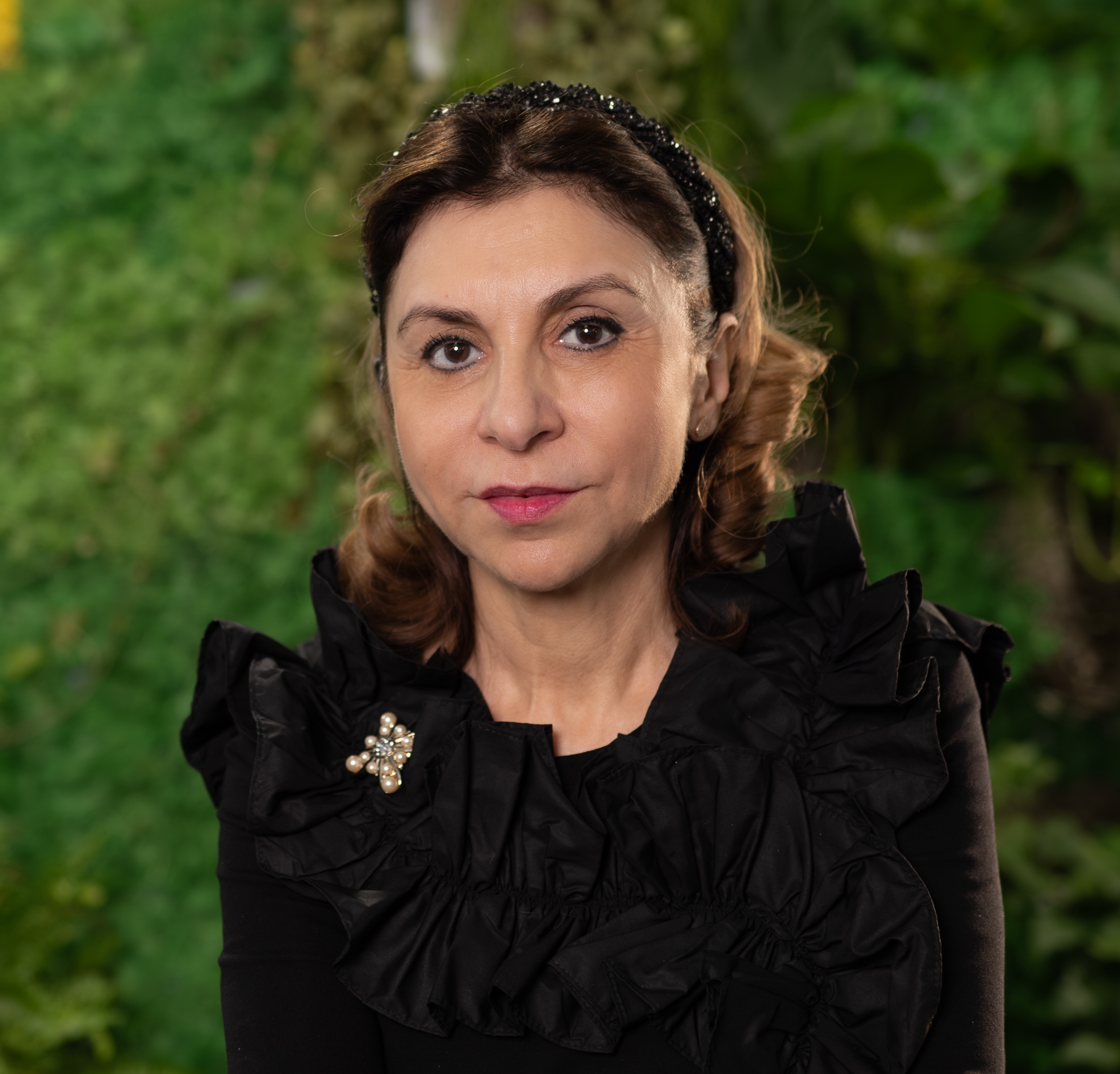
Florentina Șușnea este Managing Partner în cadrul companiei PKF Finconta. Experiența ei profesională de peste 35 de ani cuprinde domeniile de audit statutar și IFRS, consultanță fiscală, probleme de rezidență fiscală, restructurare financiară și fiscală, documentație și politici de Transfer Pricing, fuziuni și divizări, M&A, expertize judiciare, contabile și fiscale, due diligence de achiziții. Florentina este membru acreditat al următoarelor organizații profesionale: Camera Consultantilor Fiscali, Camera Auditorilor Financiari din România, Camera Expertilor și Contabililor Autorizați din România si Association of Certified Anti-Money Laundering Specialists. A absolvit Facultatea Finanțe-Contabilitate din cadrul Academiei de Studii Economice, București, Facultatea de Drept din cadrul Universității ”Titu Maiorescu”, programul MBA de la Tiffin University din SUA, este doctor în economie și a urmat numeroase cursuri naționale și internaționale în domeniul fiscal. florentina.susnea@pkffinconta.ro