
What change gives Romanian companies a competitive advantage?
We live in a time when change no longer occurs from time to time. It occurs continuously. Companies in Romania feel pressure from all directions. Costs are rising, the labor market is changing. So what constitutes a competitive advantage?
Technology is rewriting processes. Customers are demanding fast and simple experiences. At the same time, employees are showing signs of fatigue. Too many initiatives. Too little clarity. Too few visible results.
In many local companies, change is still approached as a one-time project. A program is launched, communicated, compliance is expected. Then it is moved on to the next project. This approach no longer works. Change is no longer an event. It is a permanent state.
A new logic is needed. One that differentiates the types of change. One that puts people at the center of concern. One that links daily effort to the value created for the customer. When you understand the real level of change, you can lead without exhausting the organization. You can deliver results without losing the trust of the team.
Levels of change and the reality in Romanian companies
Not every change requires the same energy. In many organizations in Romania, small initiatives receive the treatment of major transformation. Overwhelming plans appear. Meetings after meetings. Reports without impact. People feel like they are running, but they are not getting anywhere.
The first level is execution
Here you introduce a new process, a new tool, a new internal procedure. For example, implementing an ERP system in a distribution company. You need clarity. Who does. What does. When does.
If you do not define the final result, teams check off activities, not results. In Romania, you often see IT projects launched without measurable operational objectives. The result appears in presentations, not in productivity.
The second level is mobilization
Here it is no longer enough to tell people what to do. You need to change behaviors.
For example, in a professional services firm that switches to consultative selling. Consultants need to listen to clients differently. To ask different questions. To work collaboratively.
If you do not create meaning and trust, people mimic change. They report progress, but the client works as before.
The third level is transformation
Here you change the way the company operates. Processes. Structures. Responsibilities. A local example appears in Romanian retail. Many traditional chains have switched to the omni-channel model. Physical stores have linked to online platforms. Logistics has been reconfigured. Roles in stores have changed.
Transformation required not only new procedures but new skills. Companies that invested in continuous learning and training have grown. Those that forced change through pressure have lost valuable people.
The last level is reinvention
Here you rethink your identity. Why do you exist? What value do you create? An example appears in the Romanian financial sector. Traditional banks have started to behave like technology companies.
They created mobile applications. They launched products without physical bank branches. They changed the internal culture. They brought in digital specialists. They changed the promotion criteria.
Reinvention is not done only with communication plans. It is done with courageous and consistent decisions.
If you treat all initiatives as major transformation, you tire the organization. If you treat reinvention as simple execution, you lose the future. Differentiating the level of change becomes a critical leadership skill.
Clarity of value and the relationship with your ecosystem
Many Romanian companies start the change from within. What do we want to optimize? What costs do we want to reduce? What processes do we want to digitize? However, real change starts with the value for the customer.
You need to answer simply
What problem do you solve better than anyone else does. How will this problem change in the coming years?
For example, a Romanian industrial manufacturing company no longer just sells equipment. It sells predictive maintenance. It sells guaranteed uptime. It sells performance data. The value is no longer in the product. It is in continuous service.
Then the ecosystem appears
No company creates value alone anymore. You work with technology providers. With startups. With universities. With local authorities. With communities. In Romania, many companies still see partners as simple contractors. Companies that grow quickly create networks. They develop joint projects. They share risks. They share learning.
An example appears in the green energy sector. Local manufacturers work with software developers, network engineers, and local communities. They no longer just sell energy. They sell integrated solutions. Without this ecosystem thinking, investments remain isolated.
Clarity of value and positioning in the ecosystem give you the direction of change. Without them, internal initiatives compete with each other. Each department pulls in a different direction. Budgets fragment. Results are delayed.
Reconfiguring the organization and the speed of learning
Many companies in Romania declare that they want agility. Few change their systems that block agility.
Rigid hierarchical structures. Centralized decisions. Fixed budgets per year. Bonuses linked to individual objectives. All of this maintains the old behavior.
Reconfiguring starts with the right to decide
Who approves? How long does it take? What risks can be assumed locally? In a Romanian logistics company, the transition to regional autonomous teams reduced customer response time by over 30%. Local managers were given clear authority. KPIs were linked to customer satisfaction, not just cost.
Then came the reward systems
If you only promote short-term results, people avoid experiments. If you recognize learning, people test new ideas. In an IT company in Cluj, the introduction of team goals and quarterly feedback reduced staff turnover. People felt they could grow without changing the company.
Speed of learning becomes a competitive advantage
Local companies that work in 90-day cycles, with clear goals and quick reviews, progress faster than those that plan annually and execute rigidly. Learning is no longer an occasional course. It becomes business routine.
When learning becomes part of the daily rhythm, change is no longer scary. It becomes part of the identity. People no longer wait for instructions. They initiate improvements. They propose solutions. They solve problems close to the customer and together with them.
Leadership that supports reinvention
In Romania, many leaders grew up in a control model. The director decides. The manager transmits. The team executes. This model does not work in reinvention.
You need leaders who ask questions, not just provide answers. Who listen to signals from the market, not just internal reports. Who admit when they do not know and invite the team to build the solution.
An example appears in entrepreneurial companies that have moved to scaling. The founder who used to do everything in the past learns to delegate the decision. Create clear frameworks. Let the team test. Accept small mistakes to avoid big failures.
Human leadership also means protecting people from unnecessary noise. Not every idea becomes a project. Not every trend becomes a priority. The leader filters. Chooses. Says no. Creates space for real execution.
In many local organizations, change fails not because of a lack of strategy, but because of overload. Too many simultaneous initiatives. Too little real capacity. The mature leader stops what does not bring value. Focuses energy. Builds sustainable rhythm.
When people see coherence between message and decision, trust appears. When they see leaders who learn alongside them, involvement appears. When they feel protection from chaos, performance appears.
In conclusion
Change can no longer be treated as an exception. It defines the environment in which you work. Romanian companies that understand the real level of change conserve their energy. They do not “consume” people. They do not waste budgets. They do not waste time.
Clarity of value for the customer provides direction. Ecosystem thinking opens opportunities. Reconfiguring the organization removes internal brakes. Rapid learning maintains relevance. Human leadership maintains cohesion.
Reinvention does not require perfection. It requires consistent courage. Firm decisions. Ability to let go of what no longer serves. Respect for people and their time.
If you want to build an organization ready for the years to come, start with a simple question. What do we need to change now to create value tomorrow? Then take action. Step by step. With clarity. With discipline. With people involved.
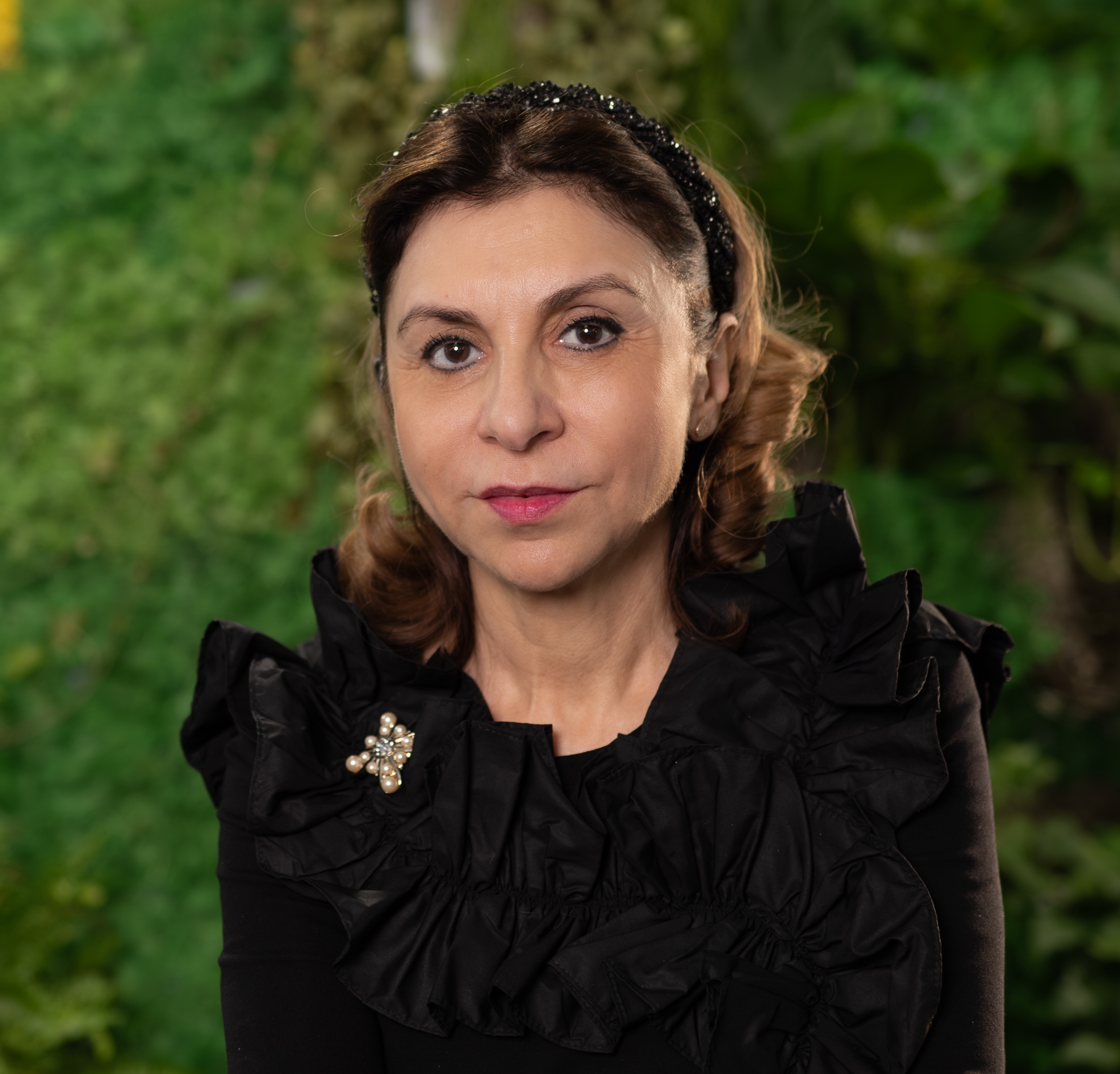
Florentina Șușnea este Managing Partner în cadrul companiei PKF Finconta. Experiența ei profesională de peste 35 de ani cuprinde domeniile de audit statutar și IFRS, consultanță fiscală, probleme de rezidență fiscală, restructurare financiară și fiscală, documentație și politici de Transfer Pricing, fuziuni și divizări, M&A, expertize judiciare, contabile și fiscale, due diligence de achiziții. Florentina este membru acreditat al următoarelor organizații profesionale: Camera Consultantilor Fiscali, Camera Auditorilor Financiari din România, Camera Expertilor și Contabililor Autorizați din România si Association of Certified Anti-Money Laundering Specialists. A absolvit Facultatea Finanțe-Contabilitate din cadrul Academiei de Studii Economice, București, Facultatea de Drept din cadrul Universității ”Titu Maiorescu”, programul MBA de la Tiffin University din SUA, este doctor în economie și a urmat numeroase cursuri naționale și internaționale în domeniul fiscal. florentina.susnea@pkffinconta.ro